Most people discover they grind their teeth when a dentist points to flattened molars or a partner hears the sound at night. By then, the damage is already underway. If you wake with tight cheeks, temple headaches, or a jaw that feels like it did a workout while you slept, you are describing a muscle problem as much as a dental one. That is where Botox, used strategically in the masseter and sometimes the temporalis, can relieve bruxism and jaw clenching by reducing the overactivity that keeps your jaw in a chronic fight.
I have treated hundreds of patients with bruxism, including office workers who clench through deadlines, night grinders with cracked fillings, and weightlifters who brace their jaw with every set. Many tried mouthguards, relaxation apps, magnesium, and still clamped down. Botox does not fix stress or misaligned teeth, but it often breaks the cycle of muscle overuse so the jaw can reset, pain can settle, and the teeth get a chance to stop wearing away.
Bruxism, jaw clenching, and the role of the masseter
Bruxism shows up in two main forms. Awake bruxism looks like quiet clenching while you focus, code, drive, or lift. Sleep bruxism mixes clenching and grinding, usually in bursts during lighter sleep phases. Both stress and arousal in the nervous system can trigger it, but so can sleep apnea, certain medications, and malocclusion. Dentists see signs first: smooth, flattened cusps, tiny craze lines, broken crowns, gum recession from heavy forces, and sometimes tooth mobility. Patients feel it in the jaw joints and surrounding muscles.
The masseter is the main power muscle for chewing. It sits over the angle of the jaw and can generate strong bite forces. The temporalis, a fan-shaped muscle on the side of the head, assists closing. When these muscles hypertrophy from chronic overuse, you get bulkier angles along the jawline and a constant sense of fullness and tension in the cheeks. The temporomandibular joints themselves may stay structurally normal, but they live between two strong engines that never turn off.
Traditional management starts with a custom night guard to protect enamel and calm joint loading. It helps, and I still recommend it in most cases. Physical therapy for the jaw, diaphragmatic breathing, Cornelius NC botox and sleep hygiene address the upstream triggers. For some, these are enough. For others, muscle overactivity needs direct modulation. That is where targeted Botox injections help.
How Botox helps bruxism
Botulinum toxin type A reduces the release of acetylcholine at the neuromuscular junction, which limits muscle contraction. That sounds technical, but the practical effect is simple. When the masseters cannot clamp at full power, the jaw stops clenching as hard. Microtrauma eases, trigger points soften, and the feedback loop of pain and guarding breaks. Many patients report the first good morning in months within two weeks.
There is a misconception that Botox paralyzes the face. In bruxism treatment, we aim for partial weakening. You will still chew, smile, and talk. The goal is to reduce the peak force that destroys enamel and triggers headaches, not to shut down the muscle. Chewing tough steak or taffy may feel different for a few weeks, but day to day eating remains normal for the vast majority.
Reducing masseter overactivity can also slim a bulky lower face over time. That is a side benefit for some and a primary goal for others seeking masseter Botox for jaw slimming. For bruxism, the aesthetic change is incidental, though it can help with facial symmetry if one side is stronger.
What a typical treatment looks like
A careful exam sets the foundation. I palpate the masseter with you clenching and relaxing, mapping the most tender bands and the areas of greatest bulk near the angle of the jaw. I check the temporalis for ropey bands near the anterior and middle portions. I note any joint clicking, locking, or deviation. Dentists’ notes or bite guards help fill in the history. If you have genuine TMJ disc issues or frequent locking, we coordinate with your dentist or oral surgeon.
Dosing is individualized. Most adults start between 20 and 40 units per masseter, per side. Smaller jaws or mild bruxism might start at 15 to 20 units. Strong lifters, high stress grinders, or those with visible hypertrophy might need 30 to 40 units per side. If the temporalis contributes to temple headaches, I add 10 to 20 units divided across a few points on each side. Beginners usually start lower, then adjust at a follow up based on response.
Placement matters. I avoid injecting too superiorly to prevent diffusion into zygomatic muscles that raise the corner of the mouth. I also stay clear of the parotid duct and superficial structures by choosing the belly of the masseter, typically in two to three injection points per side at different depths. For temporalis, I stay anterior to avoid brow heaviness.
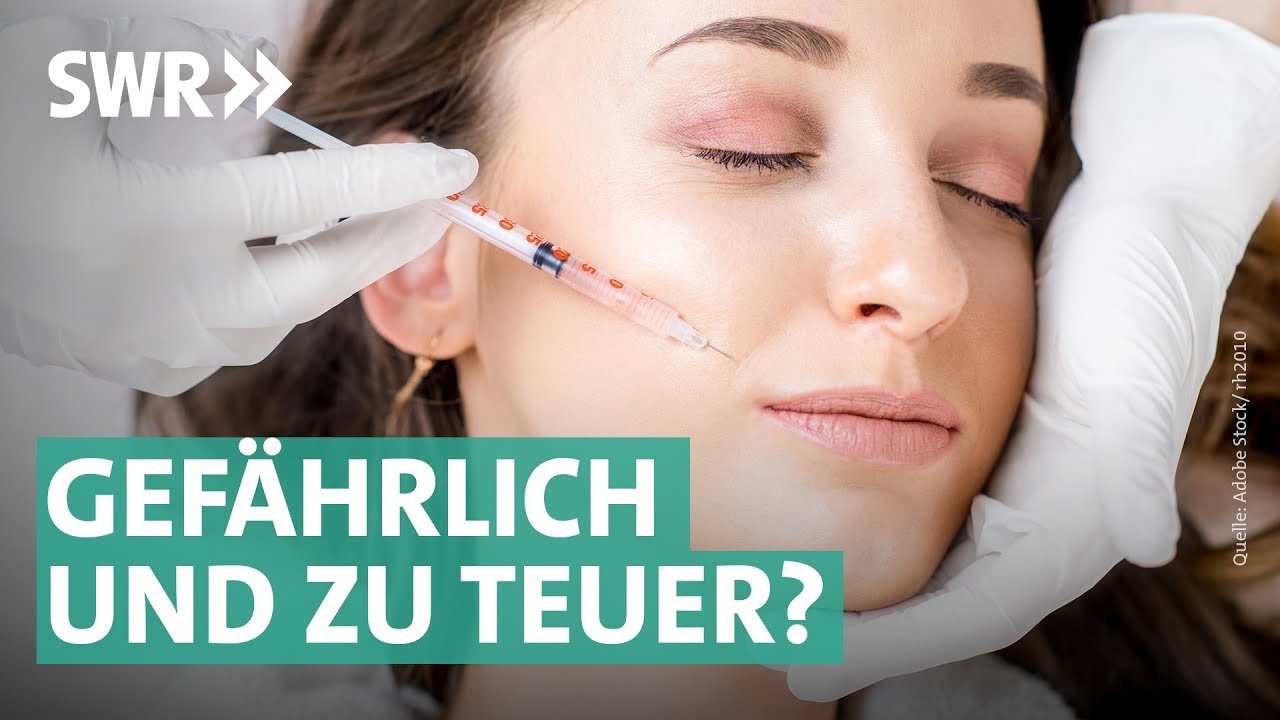
The procedure itself takes 10 to 15 minutes. No anesthesia is required beyond a quick ice chill for comfort. Most people describe it as a brief sting. There is no bandage, no stitches, and you can drive yourself home or back to work. A few tiny marks fade within an hour.
When results start and how long they last
Expect a ramp up. You may feel a hint of change by day 3 to 5. The full effect arrives around 10 to 14 days. If you grind at night, your partner may notice sooner than you do. Morning jaw tension usually lightens first, then tenderness and headaches follow.
Longevity varies. Most patients enjoy 3 to 4 months of relief, sometimes up to 6 months, especially after the second or third series as the muscle adapts. If you have been clenching for years with large masseters, the first session may last closer to 3 months. With repeated sessions, many people extend to 4 or 5 months and need fewer units. If Botox seems to be wearing off early at 8 to 10 weeks, the most common reasons are either conservative starting doses, unusually strong baseline muscles, or high stress periods that overpower the partial relaxation.
Safety, side effects, and trade offs
In experienced hands, complications are uncommon and usually mild. Expect possible tenderness at injection points for a day, slight bruising, or a light ache similar to post-workout soreness for 24 to 48 hours. Chewing tough foods may feel more effortful at first, though regular meals are fine.
Undesired effects tend to come from poor placement or over-dosing. Cheek hollowing or a too-thin lower face can occur if units are high and repeated in the same superficial spots. Smile asymmetry can happen if toxin diffuses to zygomatic muscles. This is avoidable with careful mapping and conservative starting doses. Dry mouth is rare but can happen from minor parotid involvement. True systemic effects are exceedingly rare at the doses used in the jaw.
Botox is not indicated during pregnancy or breastfeeding. If you have neuromuscular disorders, are on certain antibiotics like aminoglycosides, or have a history of keloids, discuss this with your injector. If you are on blood thinners, you can usually proceed with caution, but bruising risk increases.
How Botox fits with other bruxism care
Botox is a tool, not a standalone cure. I often pair it with a night guard to protect surfaces and distribute forces. If you already have a guard, keep using it. Physical therapy focused on cervical posture, jaw opening patterns, and trigger point release adds longevity to results. Stress work matters too. If you clench when deadlines hit, practice a micro-check every time your email dings. Tongue up, teeth apart, lips together is a useful cue that resets your jaw posture without much thought.
For sleep bruxism, screen for sleep-disordered breathing. If you snore, stop breathing at night, or wake unrefreshed, talk with a sleep specialist. Treating apnea reduces bruxism for many, because the jaw clamps during arousals. I have seen Botox help even in apnea patients, but they do best when airway care is addressed.
Masseter Botox for jawline shape, as a side note
People often ask if bruxism treatment will change their face shape. If your masseters are bulky from years of grinding, yes, the lower face can look slimmer after two or three sessions spaced 3 to 4 months apart. The change is gradual, not dramatic, and depends on your baseline anatomy. If facial symmetry is a goal, I sometimes slightly adjust dosing side to side to balance volume. We discuss this upfront so you know whether to expect function-only changes or aesthetic shifts.
If your primary aim is cosmetic jaw slimming, the dosing and mapping are similar, often on the higher end of the unit range. If you are searching phrases like masseter Botox for jawline or botox for jaw slimming, ask your injector how they balance function and aesthetics. Clarity prevents over-thinning and helps preserve bite comfort.
Costs, units, and value
Pricing varies by region and injector experience. Some clinics price by area, others by unit. If you are comparing botox price per unit or searching how much is Botox per unit, typical ranges hover between 10 and 20 dollars per unit in many US markets, with higher prices in large cities. A common bruxism plan might use 40 to 80 units total for both masseters, plus More helpful hints 20 to 40 units if we include temporalis. That puts a first session in the mid to high hundreds, sometimes more than a thousand in dense urban centers.
If you are comparing masseter Botox cost across clinics, look beyond raw price. Ask who performs the injections, how many bruxism cases they treat monthly, and whether they offer a two week check. A quick touch up of a few units within that window can correct asymmetry or insufficient response. If you are sifting through botox deals near me or botox specials near me, ensure the clinic does a real medical consultation, reviews contraindications, and provides aftercare. Shortcuts are expensive when they affect your smile mechanics.
What the first two weeks feel like
Most patients report three stages. The first three days feel normal aside from mild injection-site tenderness. Days 4 to 7, you may notice chewing feels slightly easier, as if your jaw forgot to clamp at full force. By days 10 to 14, morning headaches often fade and the jaw no longer aches by mid-afternoon. If you only clench under stress, the effect may feel like a governor on peak force rather than a constant change.
Anecdotally, one of my patients, a trial attorney, tracked his headaches on a calendar. He circled 12 headache days per month before treatment. After the first session, he circled 3 the next month, then 2 the month after. He still used his night guard and worked with a physical therapist, but Botox broke the intensity that kept triggering the cascade.
Why some people respond better than others
Muscle pattern, stress load, bite mechanics, and sleep quality all matter. If your clenching is intermittent and tied to daytime focus, you may feel near-total relief. If you grind violently during REM bursts from untreated apnea, you will improve, but not as dramatically, unless you address airway issues. If your bruxism began after a new medication such as certain SSRIs or stimulants, talk with your prescriber. Sometimes a medication adjustment helps alongside Botox.
Anatomy plays a role too. People with very large masseters need enough units and correct depth. If you leave the deep portion untreated, the superficial layer may relax while the deeper fibers keep contracting. That creates a partial response. Conversely, very small masseters need lower doses to avoid chewing fatigue. Experience teaches how far to push and when to hold back.
Aftercare that actually matters
You do not need elaborate routines. Keep it simple. For the first 4 to 6 hours, avoid heavy facial massage or aggressive jaw workouts. Do not lie face down on a massage table right away. Skip very hot yoga or saunas the same day. These are practical, not paranoid, measures to minimize diffusion. Normal activity and light exercise are fine. You can wash your face, wear makeup, and go about your day.
If you bruise, a pea sized mark near a point can happen. Arnica may help a little, but time helps more. If chewing feels different, choose softer meats for a week, then resume normal eating. Keep your night guard in play unless your dentist advises otherwise. If you have questions like can I work out after Botox or what not to do after Botox, your injector should give clear guidance that fits your case, not a generic handout.
Comparing options: guard alone, Botox alone, or combined care
A night guard alone is the minimum and often sufficient for mild cases. It protects enamel and can reduce morning soreness. It does not stop the muscle from clenching though, which means the underlying trigger remains. Botox alone reduces force and pain but cannot prevent tooth-to-tooth contact when it happens. Combining both protects the teeth and dampens the drive, which is why many dentists and injectors prefer the hybrid plan. Physical therapy adds endurance and proper jaw mechanics. Cognitive strategies reduce the daytime clench. Together, these create a sustainable pattern.
If you are asking how often to get Botox, plan on every 3 to 4 months for the first year, then reassess. Some people taper to twice yearly. Others prefer steady quarterly maintenance. If you feel Botox wearing off early, track your stress and sleep around that period. We may adjust dose or placement rather than simply increasing frequency.
Finding the right injector
Experience with masseter and temporalis anatomy matters more than a low price. If you are searching botox near me or botox injections near me, look for clinics that regularly treat medical indications like bruxism and migraine in addition to cosmetic Botox. Ask how they mark the muscle borders, how they avoid zygomatic diffusion, and whether they adjust dosing based on palpation findings. A provider who listens to your chewing habits, dental history, and headache patterns will deliver better results than one who simply follows a fixed template.
Many clinics offer same day botox appointment slots, but a thoughtful consultation is still worth it. Bring your night guard, list your medications, and mention any prior filler or thread lifts in the lower face that could influence plan and timing. If you need walk in botox near me for convenience, try to still get that two week check scheduled before you leave.
What if it does not work as expected
Two scenarios cause disappointment. First, underdosing, especially in strong masseters, leaves patients feeling little change. A small touch up within the early window can fix this. Second, expecting Botox to resolve structural TMJ disorders sets the bar wrong. If you have disc displacement with frequent locking, clicking that is painful, or limited opening, Botox can reduce muscle spasm but will not repair joint mechanics. In that case, we coordinate with an oral and maxillofacial specialist.
Rarely, individual variation in receptor sensitivity leads to shorter duration. If results consistently underperform, we can trial a different toxin brand. Some patients feel a longer tail with Daxxify, others prefer the feel of Dysport or Xeomin. Cost and availability factor into that decision, and differences are more about nuance than night and day.
The aesthetic overlap and why conservative dosing matters
Because bruxism treatment sits close to cosmetic territory, edge cases come up. If a patient already has mild lower face hollowing, aggressive masseter thinning can look gaunt. If someone relies on high bite power for certain activities, like musicians who brace with the jaw or athletes who grind through heavy lifts, we adjust to preserve function. High-smile patients at risk of a gummy smile often ask whether masseter Botox affects that. It does not directly, but concurrent treatments like a lip flip or DAO softening for downturned mouth corners should be timed and dosed carefully. The lower face is a kinetic system. Overlapping treatments in one visit are possible, but coordination helps avoid unplanned changes in expression.
A realistic before and after timeline
Photographs help set expectations. In the first month, you will not see a dramatic facial change, but you will feel less jaw work. By month two, small contour softening appears along the angle of the jaw if hypertrophy was significant. At the three month mark, the function benefit is still present, and the face may look slightly slimmer. If you continue for two to three sessions, that contour becomes more noticeable. For patients whose primary goal is relief, the key metric is morning comfort and fewer dental interventions, not selfie angles.
When not to choose Botox
If you are pregnant or breastfeeding, wait. If you have unmanaged sleep apnea with severe bruxism, address airway first or in parallel. If your jaw pain stems from inflammatory arthritis in the TMJ, work with a rheumatologist and dentist before muscle treatment. If you expect Botox to resolve an open bite or fix cracked teeth already present, it will not. It will help prevent further damage, but restorative dental work may still be needed.
The bottom line from the chair
Bruxism is common and stubborn. It erodes enamel, fuels headaches, and builds a jaw that always feels clenched. Targeted Botox weakens the force enough to let the system quiet down. In practice, the best outcomes come from a simple combination: a well fitted night guard, measured doses in the masseter and sometimes temporalis, a two week check for fine tuning, and basic daily habits that keep the jaw at rest. Most patients feel clear relief within two weeks and maintain it with quarterly sessions at first.
If you are searching for a botox consultation near me or botox appointment near me, bring your questions about dose, unit costs, and follow up. Ask how your provider decides between 20 and 40 units per side, what they do to avoid smile asymmetry, and how they coordinate with your dentist. The right plan is not a copy paste template. It is a map of your muscles, your symptoms, and your goals, drawn with a steady hand and adjusted as you go.
And if you have put off care because you worry about a frozen face, rest assured that bruxism treatment is about precision, not paralysis. You will still laugh, eat, and talk. You will just do it without your jaw acting like it is lifting weights all night.